Are you Constipated? Why Bowel Movements Matter for Breast Health
When we think about breast health, we often overlook one key factor:
Our bowel movements.
Yes — your gut health and your breast health are deeply connected.
Let’s explore why.
The Gut–Hormone–Breast Connection
Your gut plays a central role in detoxification and elimination. It doesn’t just remove waste — it also helps eliminate used hormones, including oestrogen.
Once oestrogen has done its job in the body, it must be metabolised by the liver and excreted through the bowel. But this process depends heavily on healthy digestion and regular bowel movements.
If transit time is slow or constipation is present, problems can arise.
When stool sits in the colon for too long:
- The gut microbiome can become imbalanced
- An enzyme called beta-glucuronidase can become overactive causing previously metabolised oestrogen to be reabsorbed back into circulation
This reabsorption is known as oestrogen recirculation — and it can contribute to hormonal imbalances.
For some women, this may present as symptoms such as:
- Breast tenderness
- Fibrocystic breast pain
- PMS
- Heavy periods
Healthy elimination can support hormonal balance. And balanced hormones can support healthier, “happier” breasts.
What Is “Normal” When It Comes to Bowel Movements?
Many people are unsure what healthy bowel habits actually look like.
Two things matter most: frequency and consistency.
1. Frequency
Ideally, you should be having at least one bowel movement daily, and it should be easy to pass.
If you are skipping days or straining regularly, you are likely constipated — even if you don’t feel severely uncomfortable.
2. Consistency
The
Bristol Stool Chart
is a useful guide.
- Type 1–2: Indicate constipation
- Type 3–4: Considered healthy (Type 4 is ideal — smooth, well-formed, easy to pass)
Spending a long time on the toilet (for example, scrolling or reading) is often a sign things are not moving efficiently.
Healthy bowel movements should be relatively quick and effortless.
Struggling with Constipation? Here’s Where to Start
If your transit time feels slow, the good news is that this is often very responsive to simple lifestyle adjustments.
1. Increase Fibre — Especially from Vegetables
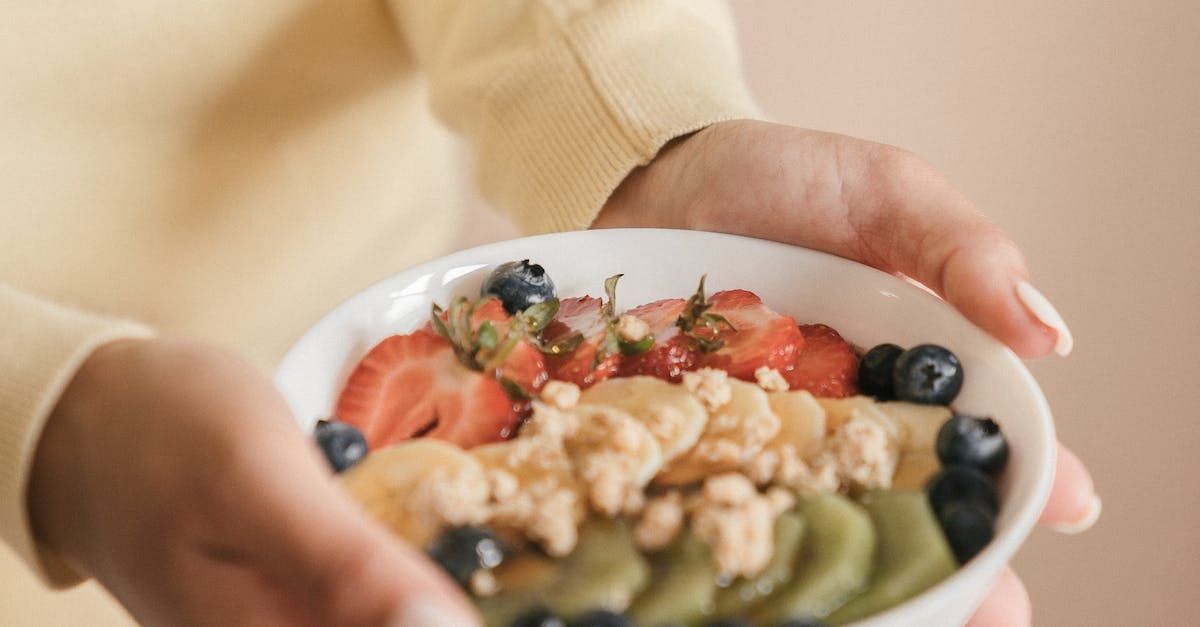
Aim for half your plate to consist of vegetables.
Focus on:
- Cruciferous vegetables (broccoli, cabbage, cauliflower)
- Green leafy vegetables (spinach, kale, rocket)
- A variety of colourful “rainbow” vegetables
These provide fibre and phytonutrients that support both gut and oestrogen metabolism.
Important: Increase fibre gradually to avoid gas and bloating.
2. Hydration Is Non-Negotiable
Without enough water, stools dry out in the colon and become harder to pass.
A simple hydration check? Look at your urine colour. Darker urine usually indicates dehydration.
Remember:
- Fibre without adequate water can worsen constipation
- Flaxseeds and chia seeds should always be soaked
- Herbal teas (unsweetened) count toward fluid intake
- Increase fluids in hot weather or during exercise
Supporting hydration supports elimination.
3. Move Your Body Daily
Movement stimulates peristalsis — the wave-like muscle contractions that move stool through the digestive tract.
This does not require intense exercise.
Gentle options like:
- Walking
- Stretching
- Yoga
Aim for 20–30 minutes daily.
Consistency is more important than intensity.
And if you work at a desk, build in regular movement breaks.
4. Create a Bowel Routine
Our bodies thrive on rhythm.
Eating, sleeping, and bowel movements all respond well to consistency.
Many people naturally feel the urge to go in the morning, especially after breakfast, because eating stimulates bowel contractions.
If you regularly ignore the urge, stool remains in the colon longer, becomes harder, and is more difficult to pass later.
Responding to your body’s signals matters.
The Bigger Picture
Constipation isn’t just about discomfort.
It’s about:
- Microbiome balance
- Hormone clearance
- Oestrogen regulation
When elimination is functioning well, your body is better able to maintain hormonal balance.
And that supports not just your gut — but your breasts too.
If you’re struggling with slow transit or chronic constipation and would like personalised support, I’d love to help!
Optimising bowel health can be one of the most powerful — and often simplest — ways to support overall wellbeing and breast health.
Wishing you love and health,
Raquel


Starting the Habit of Self Breast Examination: From Fear and Anxiety to Love, Care, and Appreciation